
25 Years of Partnership:
Shaping the Future Together
Shaping the Future Together
Shaping the Future Together
Guided by the vision of
“Good Neighbors, Good Partners, Good Prospects,”
the CAREC Program has connected people, aligned policies, and mobilized projects that drive shared and sustainable development across the region.
Scroll Down
25 Years of Partnership
Over the past 25 years, CAREC countries, together with development partners, have mobilized $57.9 billion in investments, built multimodal transport networks, strengthened energy trade and security, enabled the freer movement of people and goods, advanced economic corridor development, and laid the foundations for regional cooperation in health, agriculture, water, tourism, and skills development.
Economic & Financial Stability
$1.96 billion mobilized across 7 projects
Increasing regional macroeconomic stability, improving investment and financial integration
Trade Tourism & Economic Corridors
$2.3 billion mobilized across 22 projects
Advancing integration in the regional economy, enhancing tourism competitiveness, and strengthening cross-border integration
Infrastructure & Economic Connectivity
$51.82 billion mobilized across 246 projects
Enhancing economic connectivity and increased sustainability and resilience of regional infrastructure
Agriculture & Water
$1.41 billion mobilized across 15 projects
Expanding agricultural trade and effective transboundary water resource management
Human Development
$0.34 billion mobilized across 9 projects
Increased regional cooperation in education and health
Cross-cutting Themes
Gender, digital development, climate change adaptation and mitigation
25 Years of Progress
CAREC JOURNEY
1996
Laying the Foundations
Technical assistance to promote regional economic cooperation is approved.

1997
Advancing Cross-border Cooperation
Regional technical assistance supports projects that increase trade and cooperation between Xinjiang Uygur Autonomous Region of the People’s Republic of China (PRC), Kazakhstan, the Kyrgyz Republic, and Uzbekistan.


2000
Establishing the CAREC Secretariat
The CAREC Senior Officials’ Meeting is established at the Asian Development Bank.

2001
Operationalizing the Program
Six CAREC-related projects worth $247 million are approved, and the first CAREC Senior Officials’ Meeting is held in Manila, attended by delegations from Azerbaijan, the PRC, Kazakhstan, the Kyrgyz Republic, Tajikistan, and Uzbekistan.


2002
Building the Institutional Framework
First Ministerial Conference establishes a flexible, practical approach within a results-oriented institutional framework. Customs Cooperation Committee was established.


2003
Expanding Partnerships and Membership
Six multilateral institutions commit to the program, and Azerbaijan and Mongolia join CAREC.

2004
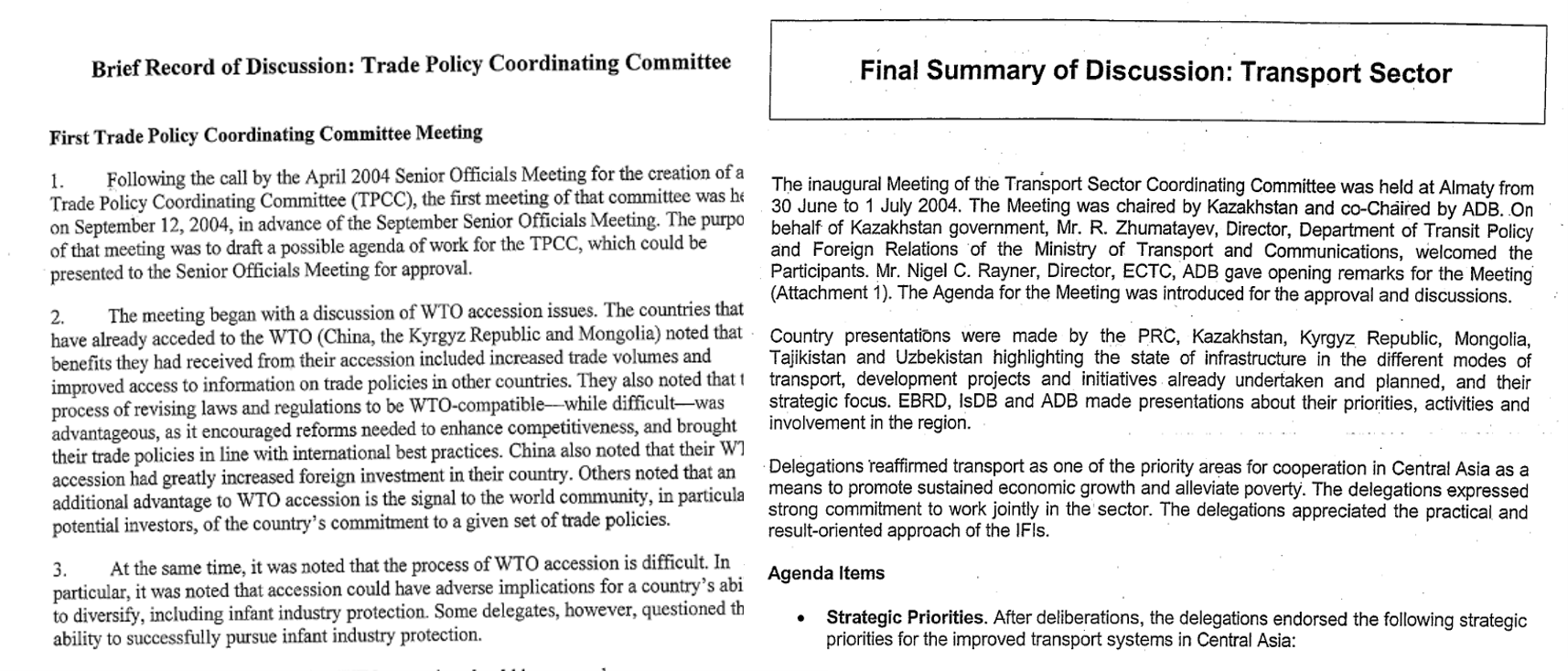
Strengthening Sector Coordination
Transport and trade policy coordinating committees are established, with the private sector encouraged to take part in the program.
2005
Expanding Energy Cooperation
Afghanistan joins CAREC, and the Energy Sector Coordinating Committee is formed.

2006
Implementing the Comprehensive Action Plan
The Comprehensive Action Plan is endorsed, and the first Business Development Forum promotes public-private dialogue to reduce barriers to regional cooperation.

2007
Advancing Corridor-based Development
Ministers endorse the Transport and Trade Facilitation Strategy, and the CAREC Institute Prospectus creates a mechanism to address “second-tier” issues of communicable disease control, environmental protection, business development, capacity–building initiatives, and research.

2008
Deepening Regional Integration
Inner Mongolia Autonomous Region of the PRC is brought into the partnership, while the Trade Policy Strategic Action Plan is endorsed to help liberalize trade regimes and get member countries into the WTO, and the Strategy for Regional Cooperation in the Energy Sector breaks ground as the first energy plan among Central Asian nations.


2009
Strengthening Results Monitoring
Ministers endorse the Energy Action Plan Framework and a results-oriented approach, while private companies establish the CAREC Federation of Carrier and Forwarding Associations and start sharing cross-border movement data as the CAREC Corridors Performance Measurement and Monitoring Program is launched.


2010
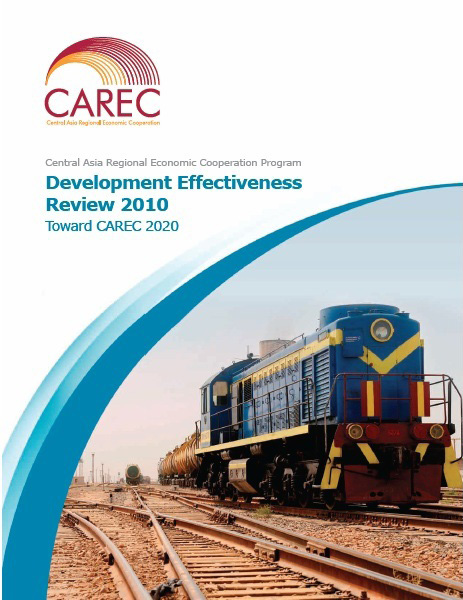
Broadening Membership and Performance Management
Pakistan and Turkmenistan join CAREC, and the Development Effectiveness Review is launched to monitor CAREC’s performance.
2011
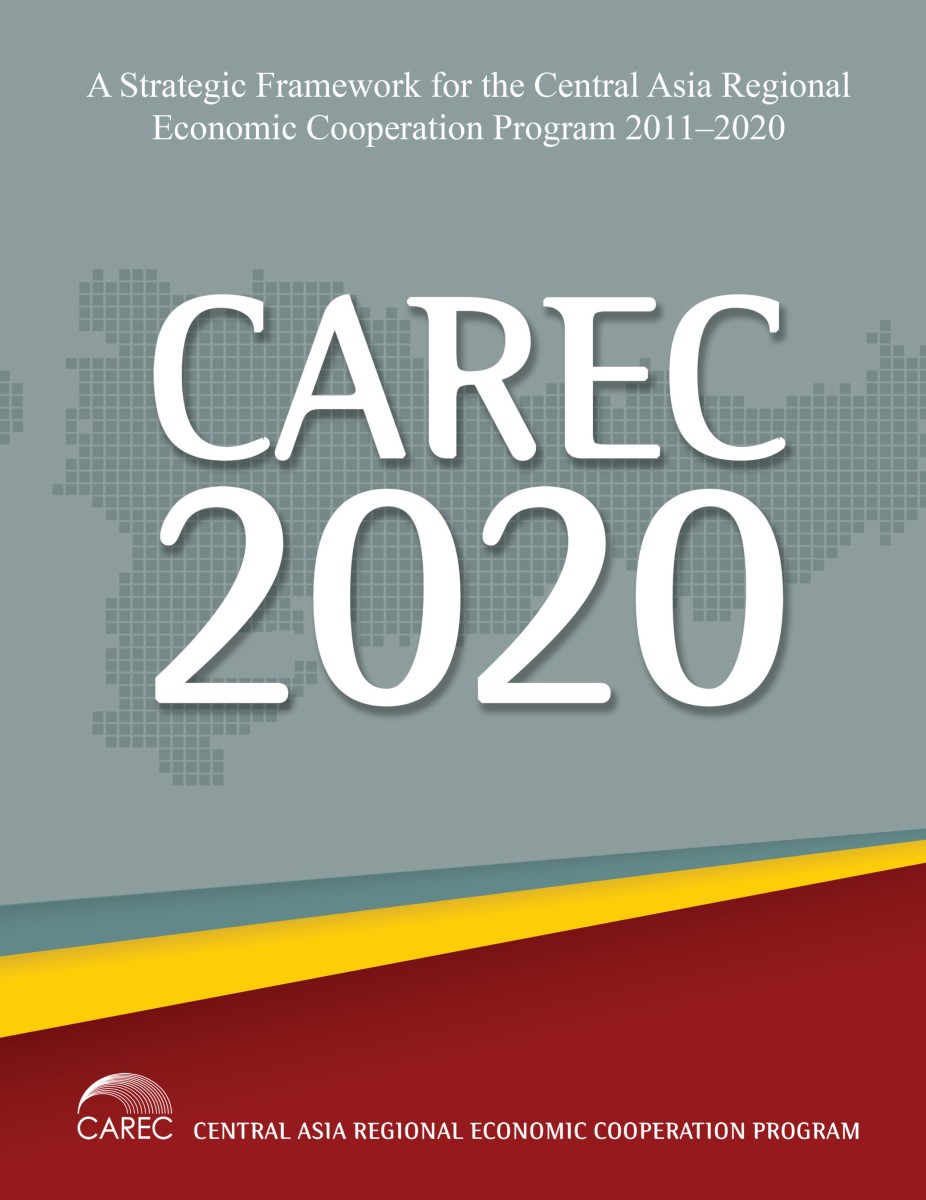
Adopting CAREC 2020
Ministers endorse CAREC 2020, the strategic framework to expand trade and improve global competitiveness.
2012
Prioritizing Corridor Investments
68 projects worth $23 billion are prioritized to complete the six CAREC transport corridors.
CAREC partners set up a practical, results-oriented, and corridor-based approach to cross-border transport.

2013
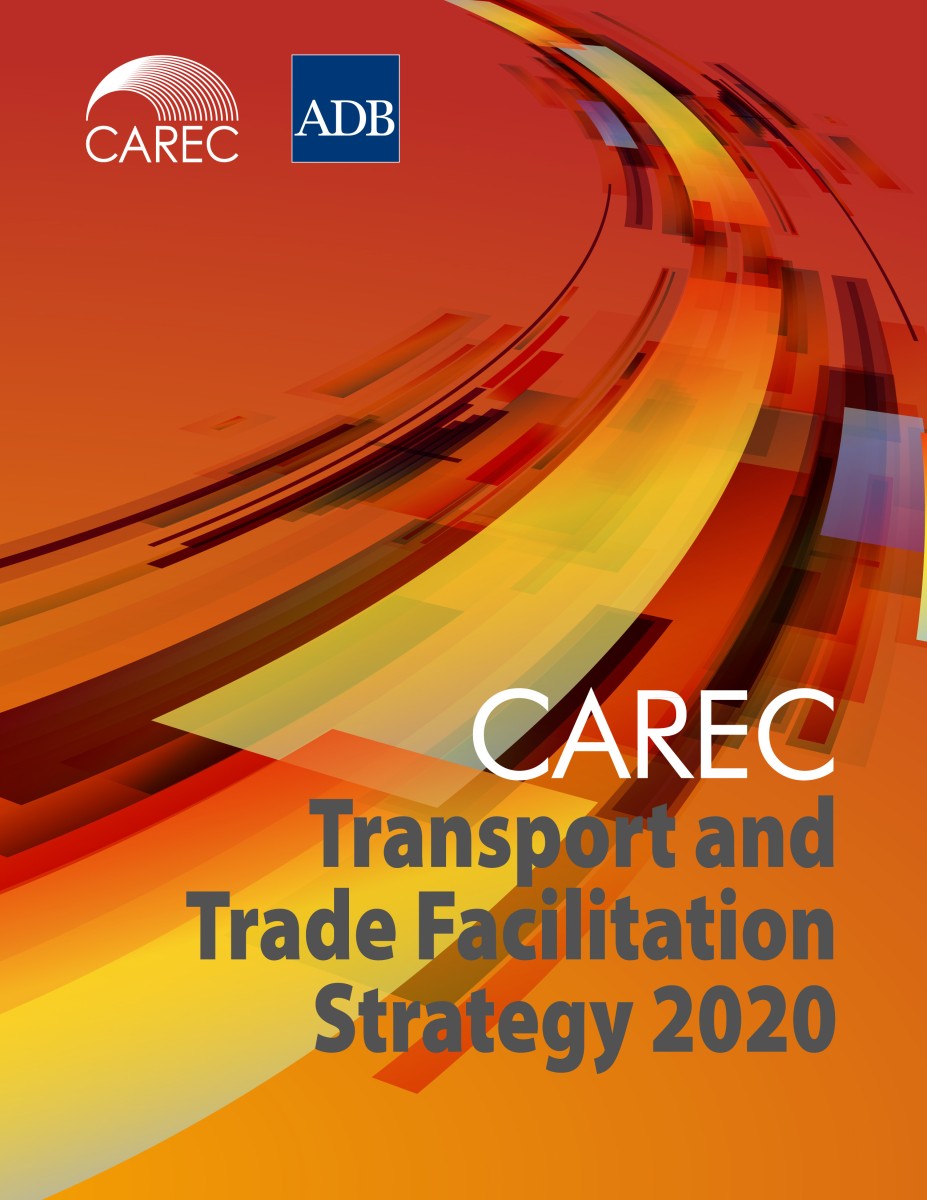
Calibrating Trade and Transport Strategies
Ministers approve a refined Transport and Trade Facilitation Strategy 2020 comprising 108 investment projects worth $38.8 billion to strengthen multimodal connectivity, logistics, and trade facilitation, alongside the Trade Policy Strategic Action Plan 2013-2017.
2014
Advancing Economic Corridor Development
Kazakhstan and the Kyrgyz Republic sign the Almaty–Bishkek Corridor Initiative, piloting CAREC’s economic corridor development drive, while the Transport Sector Workplan 2014–2016 sets country- and subregion-specific targets.

2015
Strengthening the CAREC Institute
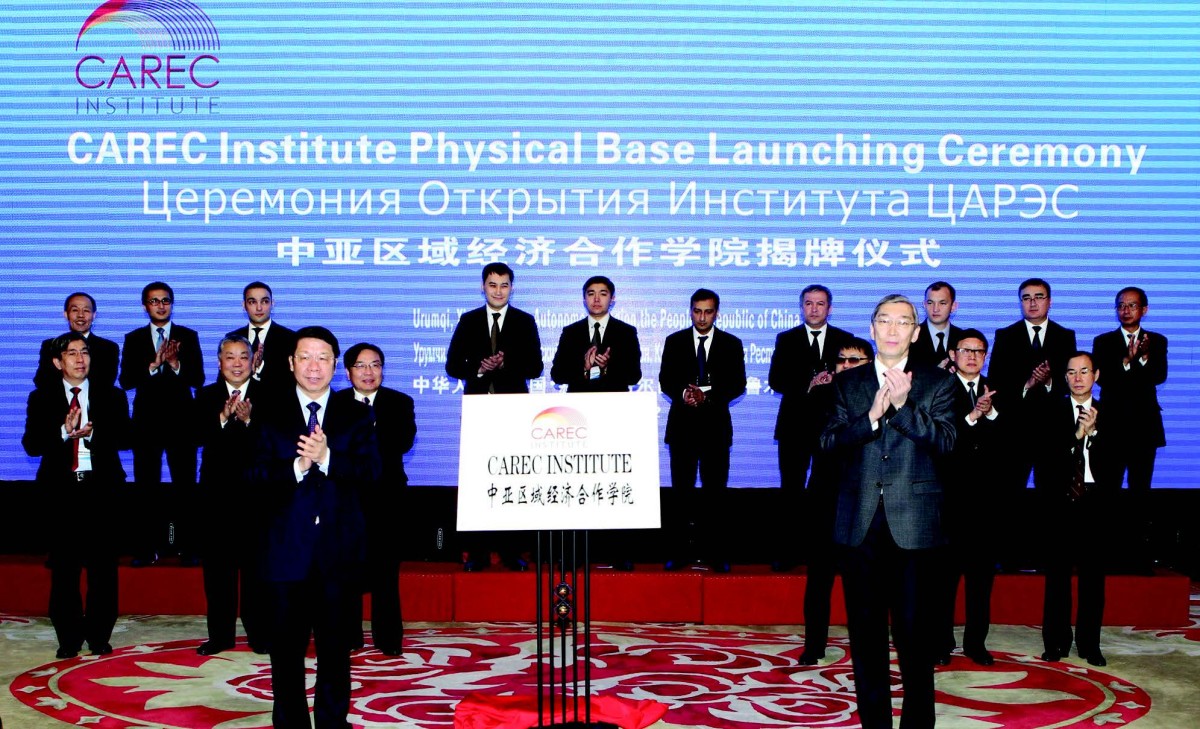
The CAREC Institute’s establishes its physical base in Urumqi, Xinjiang Uygur Autonomous Region, PRC, and Georgia participates as an observer in the 14th Ministerial Conference.
2016
Expanding Membership and Strategic Frameworks
Georgia joins as the 11th member, and Ministers endorse the Mid-Term Review of CAREC 2020 Strategy, Railway Strategy 2017–2030, and Regional Road Safety Strategy 2017–2030.


2017
Adopting CAREC 2030
Ministers endorse CAREC 2030 as the Program’s new strategic framework, guiding CAREC to connect people, policies and projects as an open and inclusive platform, while cumulative investments reach $30.5 billion in 182 CAREC-related projects as of end September 2017.
CAREC Institute obtains its legal status.
2018
Advancing Trade and Energy Connectivity
Ministers endorse CAREC Integrated Trade Agenda 2030 and its Rolling Strategic Action Plan 2018-2020 to further integrate CAREC countries with the global economy through trade expansion, greater diversification and stronger institutions for trade.
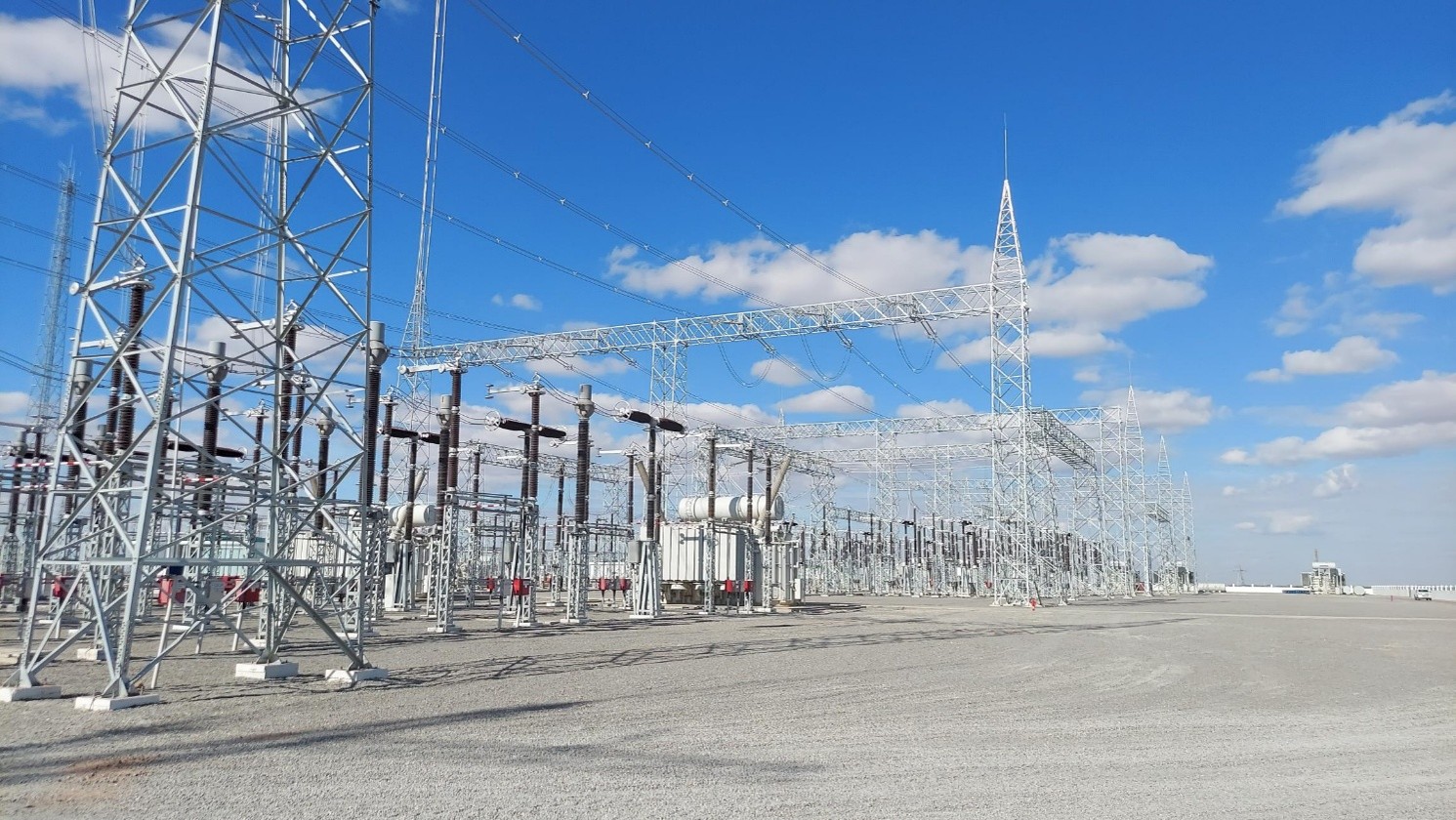
ADB and Turkmenistan sign a $500 million loan to improve Turkmenistan’s transmission network and power supply and increase its electricity exports to the region.
2019
Strengthening Transport and Energy Strategies
Ministers endorse the CAREC Transport Strategy 2030 and CAREC Energy Strategy 2030.
CAREC gathers Energy ministers in their first regional dialogue, where they agreed to double renewable energy and energy efficiency levels.


2020
Expanding to Cross-Cutting Agendas
Ministers endorse the CAREC Program Results Framework, CAREC Tourism Strategy 2030, and the CAREC Gender Strategy 2030 to broaden the Program’s development impact.


2021
Advancing Digital and Health Cooperation
Ministers endorse the CAREC Health Strategy 2030 and the CAREC Digital Strategy 2030 as new policy roadmaps for promoting digitization and health security in the region.


2022
Supporting Green and Inclusive Recovery
Ministers endorse strategic frameworks for green, sustainable, and inclusive recovery, including regional initiatives on agriculture, food security and the CAREC Green Energy Alliance.

2023
Defining the Climate Vision
Ministers endorse the CAREC Climate Change Vision.
2024
Recalibrating Strategy and Mobilizing Climate Action
Ministers endorse the Midterm Review of the CAREC 2030 Strategy and the CAREC Climate Change Action Plan 2025-2027 and launch the CAREC Climate and Sustainability Project Preparation Fund (CSPPF) to support project preparation of bankable regional projects.
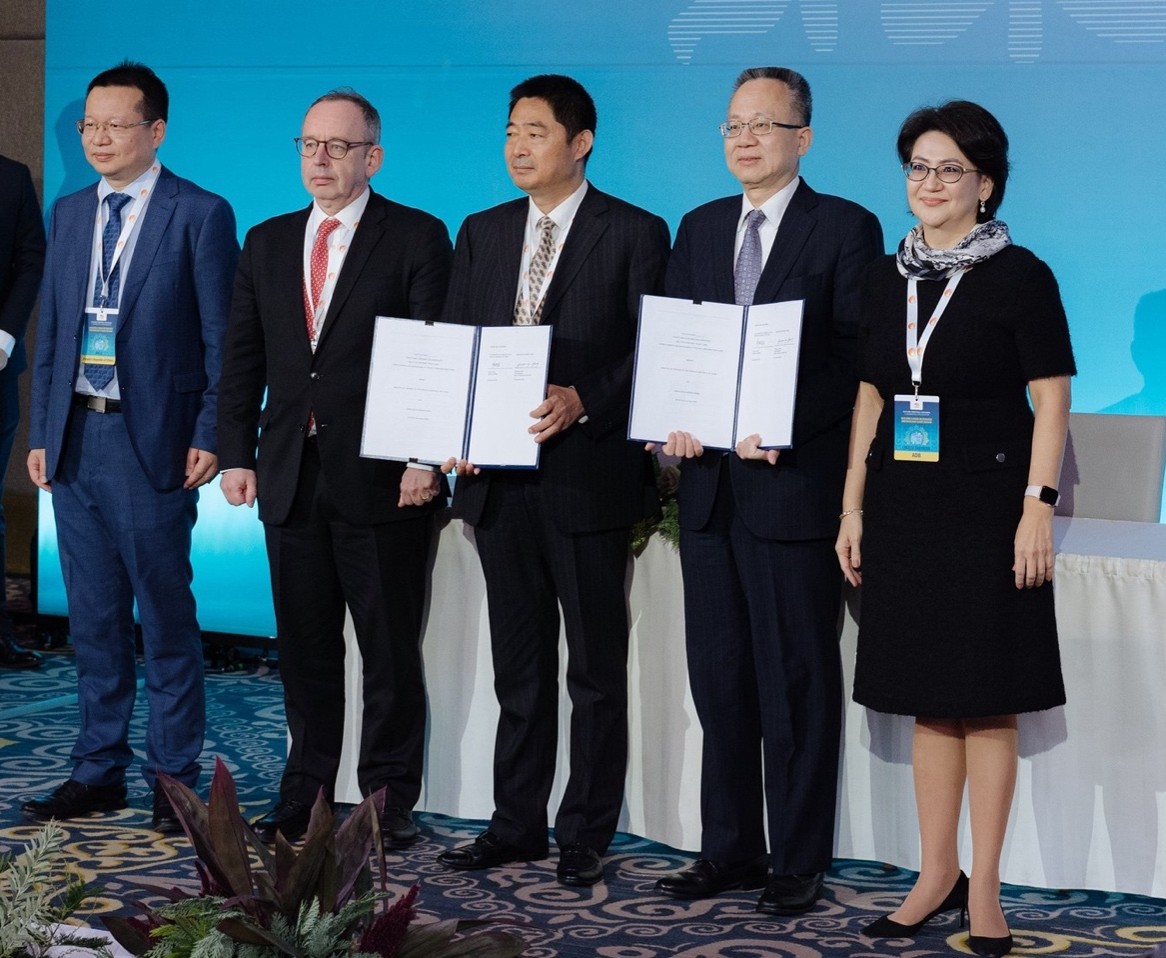
2025
Scaling Investments and Deepening Regional Integration
Ministers endorse the midterm reviews of the CAREC 2030 Transport Strategy, CAREC Integrated Trade Agenda 2030, and CAREC Digital Strategy 2030, while new partnerships on digital infrastructure, tourism cooperation and trade facilitation and a $10 billion ADB commitment for 2025-2030 accelerate investments and regional cooperation.
CAREC in Action
From transport and energy to trade and human development, CAREC is translating regional cooperation into tangible results that connect economies and improve lives.
Modern Highways, Better Connections: Pakistan’s CAREC Corridor 5
Modern Highways, Better Connections: Pakistan’s CAREC Corridor 5
Our Members
CAREC Countries
Azerbaijan
Azerbaijan
People’s Republic of China
People’s Republic of China
Georgia
Georgia
Kazakhstan
Kazakhstan
Kyrgyz Republic
Kyrgyz Republic
Mongolia
Mongolia
Pakistan
Pakistan
Tajikistan
Tajikistan
Turkmenistan
Turkmenistan
Uzbekistan
Uzbekistan
Afghanistan became member in 2005. ADB has placed its regular assistance to Afghanistan on hold effective 15 August 2021.
Shared Reflections
Partner Voices
A video collection featuring CAREC member countries and development partners as they reflect on of regional cooperation, shared progress, and the partnerships shaping the region’s future.
The Next Chapter of CAREC
As CAREC enters its next chapter, the program will build on 25 years of partnership to deepen regional integration, accelerate climate action, and scale up investments in connectivity, trade, and human development.
Anchored in CAREC 2030, the focus will shift from strategy to delivery—mobilizing finance, strengthening institutions, and advancing innovative solutions to meet evolving regional and global challenges.
Masato Kanda
Multimedia Resources
Explore multimedia resources highlighting CAREC’s work, regional cooperation, and development progress across the region.

Publications
Access reports, policy briefs, and knowledge products that highlight CAREC’s journey and impact

Videos
Watch stories and highlights showcasing regional cooperation in action

Events
Browse key events and milestones marking 25 years of partnership and progress

Photo Gallery
View memorable moments from CAREC events and initiatives across the region